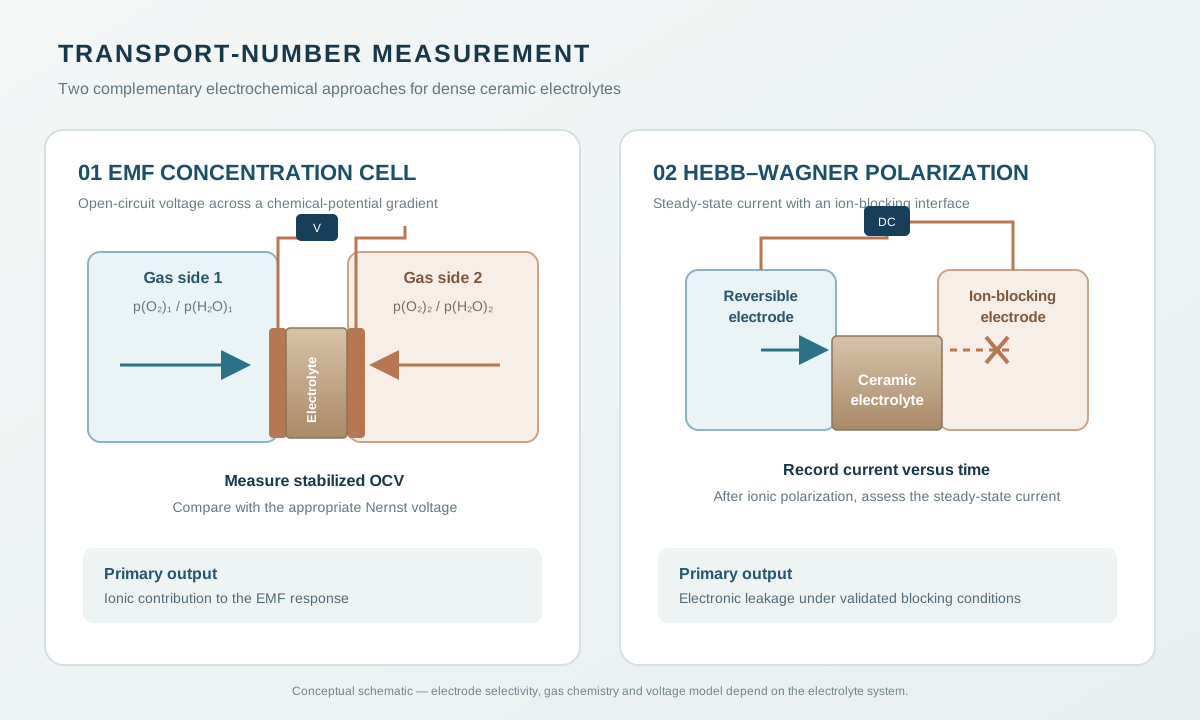
How to Measure and Calculate the Transport Number in Solid Electrolytes
A practical guide to ionic and electronic transport numbers in ceramic electrolytes, covering EMF concentration cells, Hebb–Wagner polarization, conductivity separation…
Structured explanations, practical experimental methods, and research-level discussions connecting materials chemistry, crystallography, thermodynamics, characterization, and electrochemical energy technologies.
Fundamental science Materials synthesis Experimental methods Energy technologies
## Browse by subject
Each subject groups connected concepts and practical guides. Start with the fundamentals, then move toward measurement, analysis, and applications.
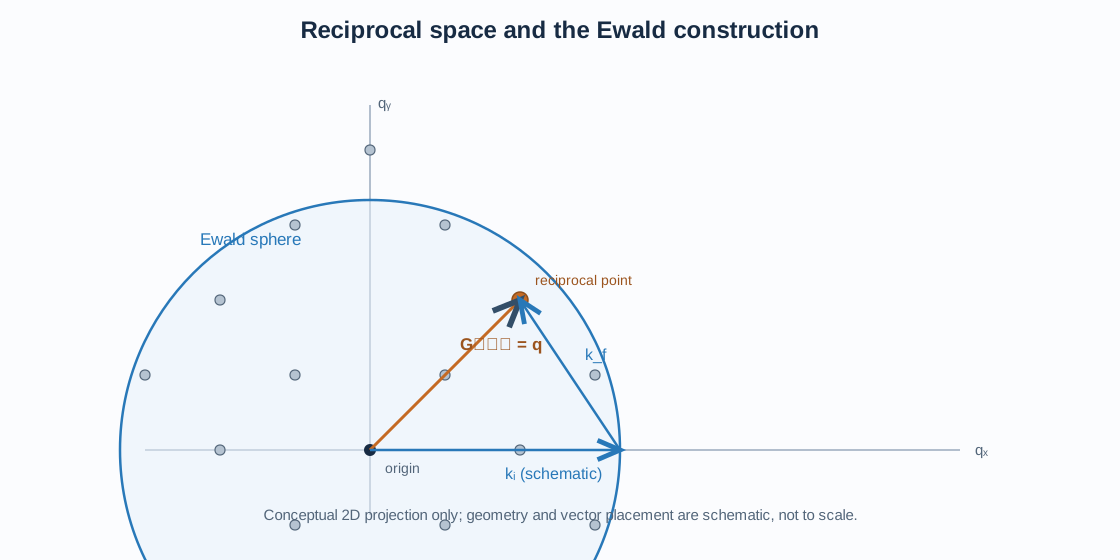
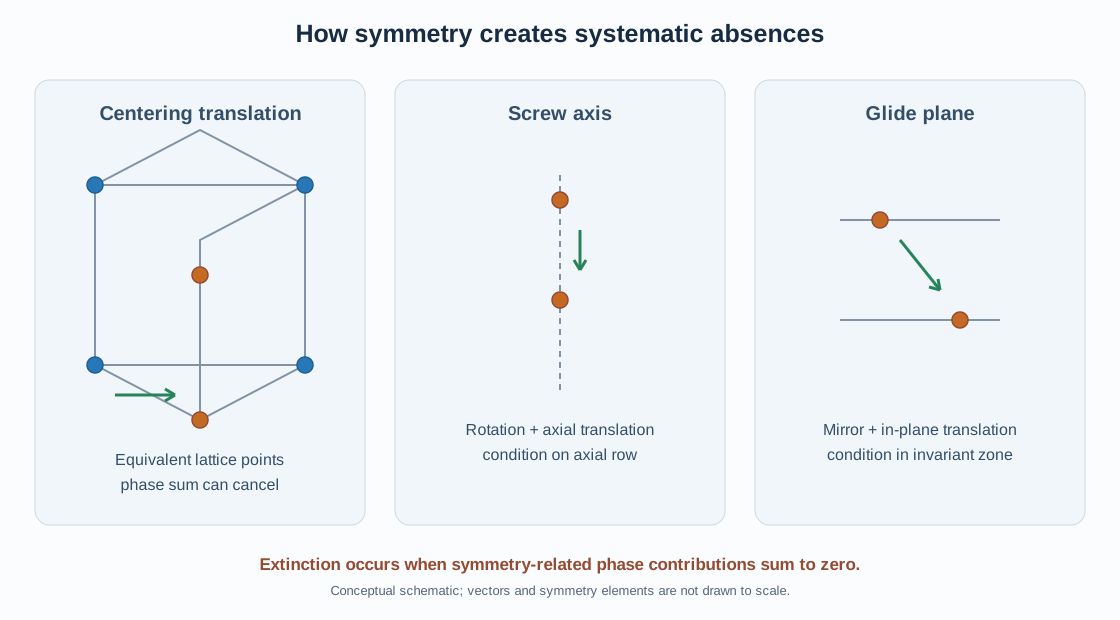
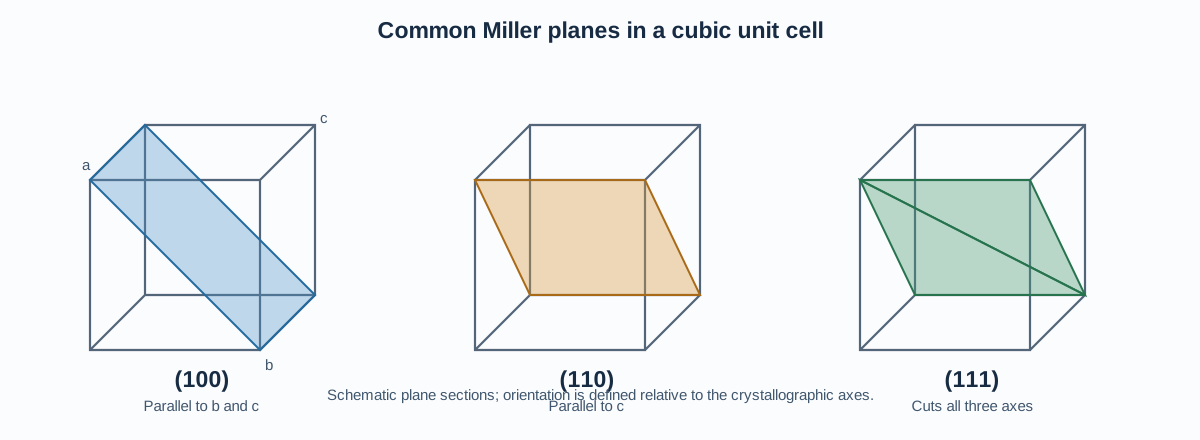
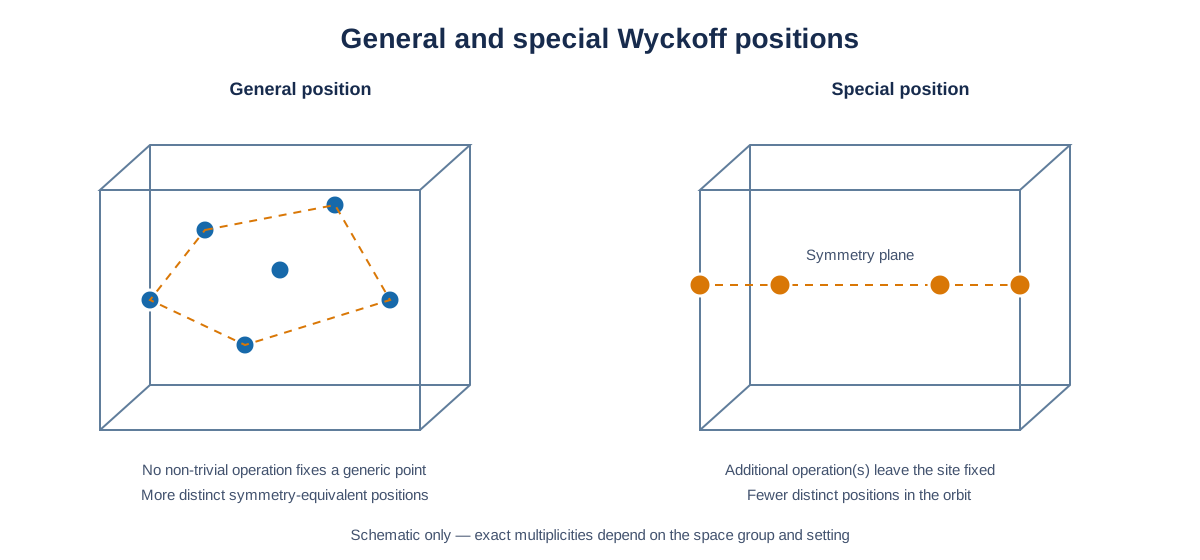
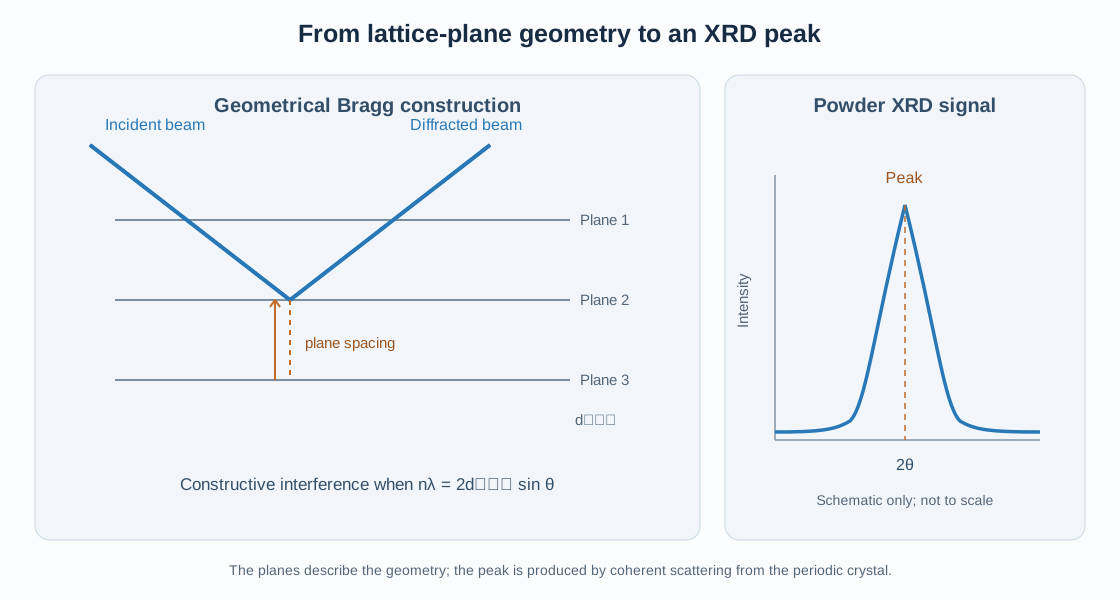
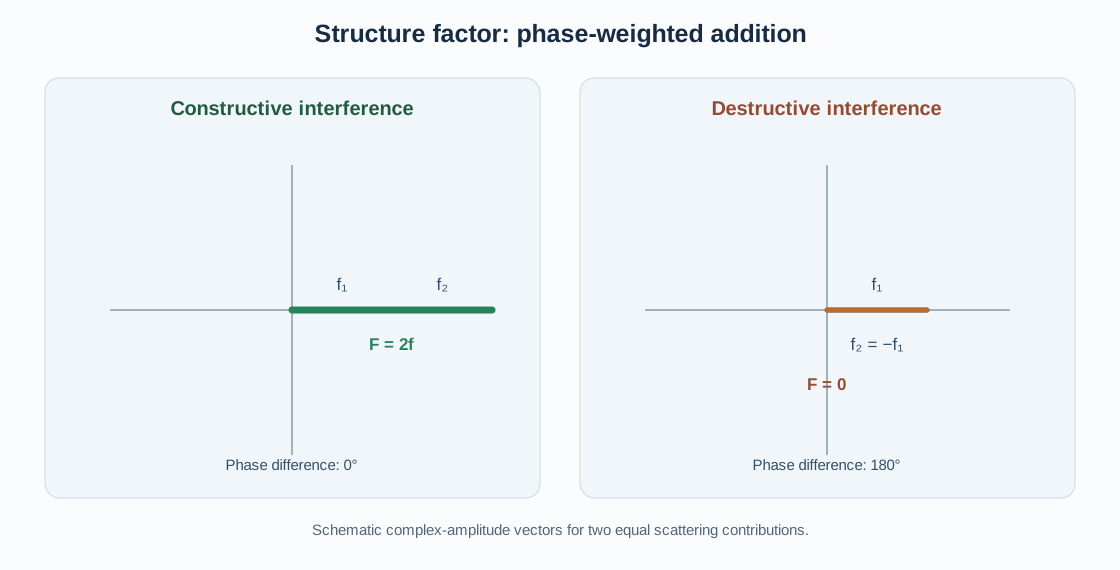
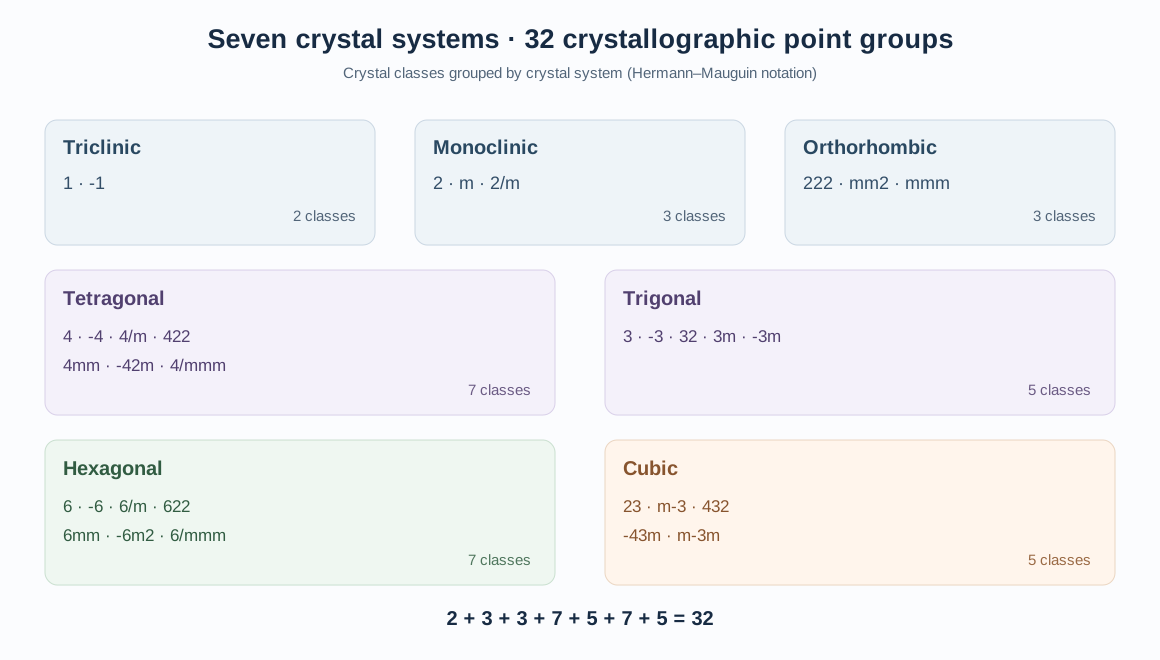
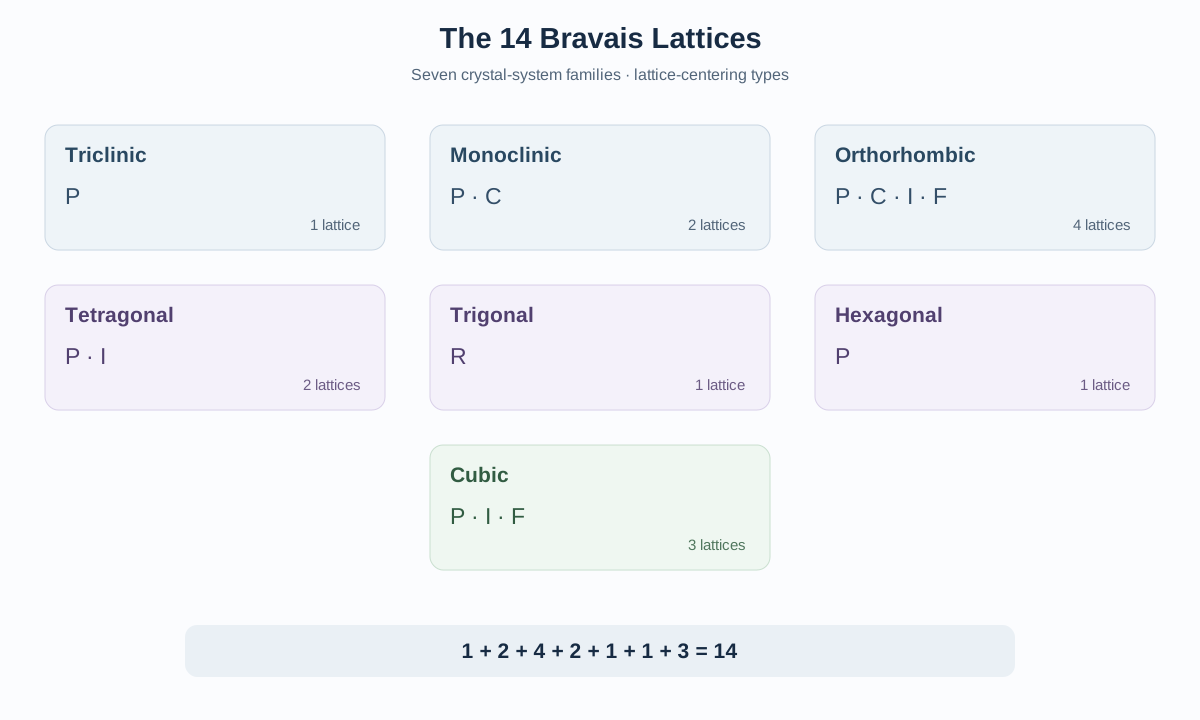
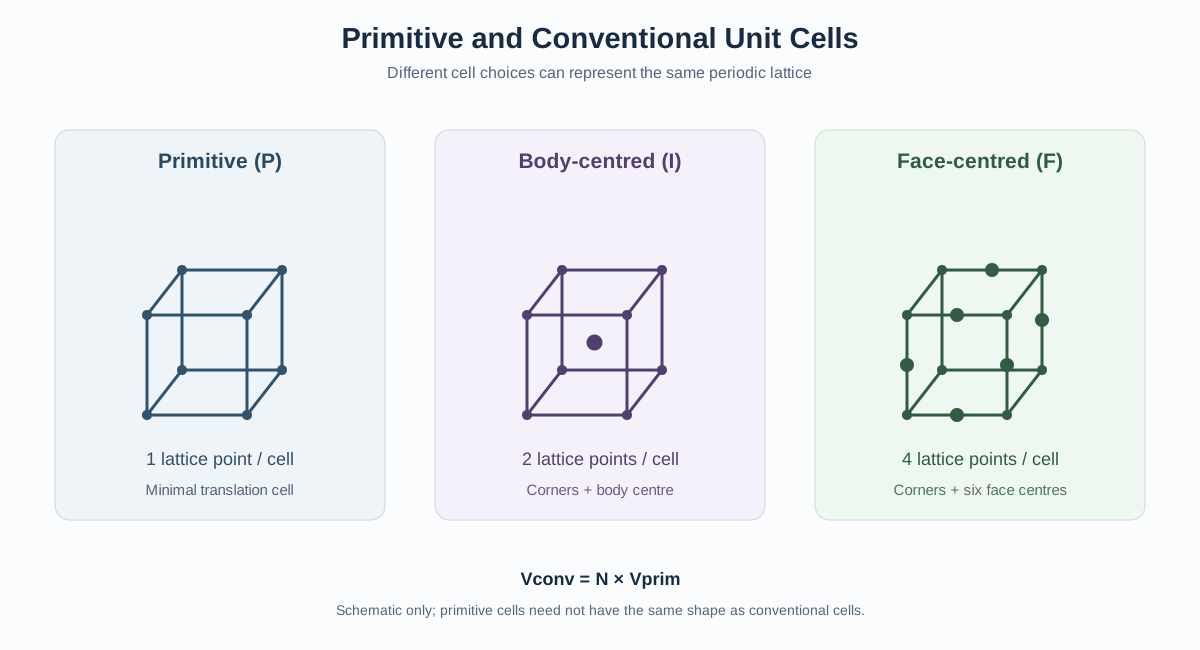
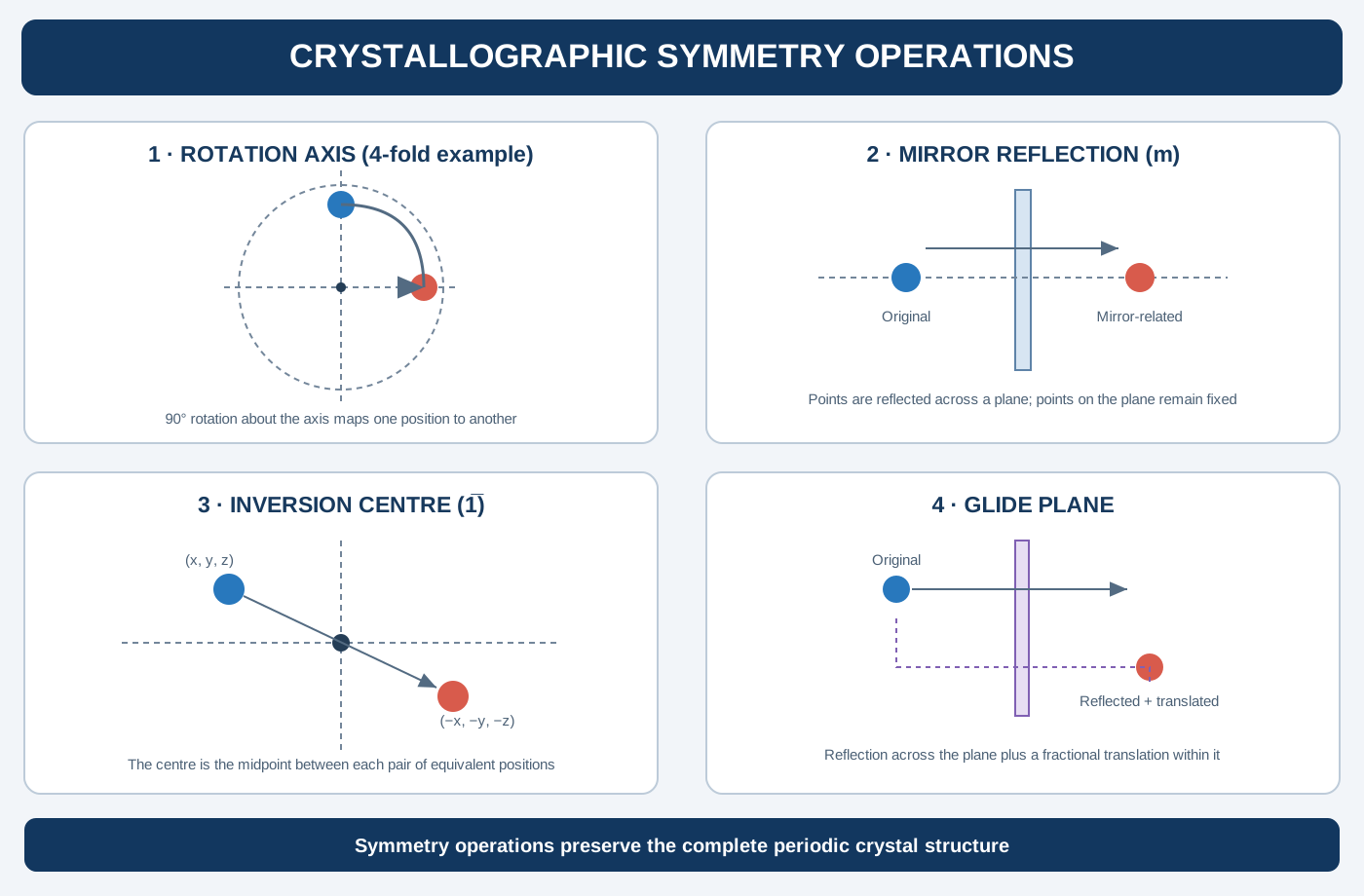
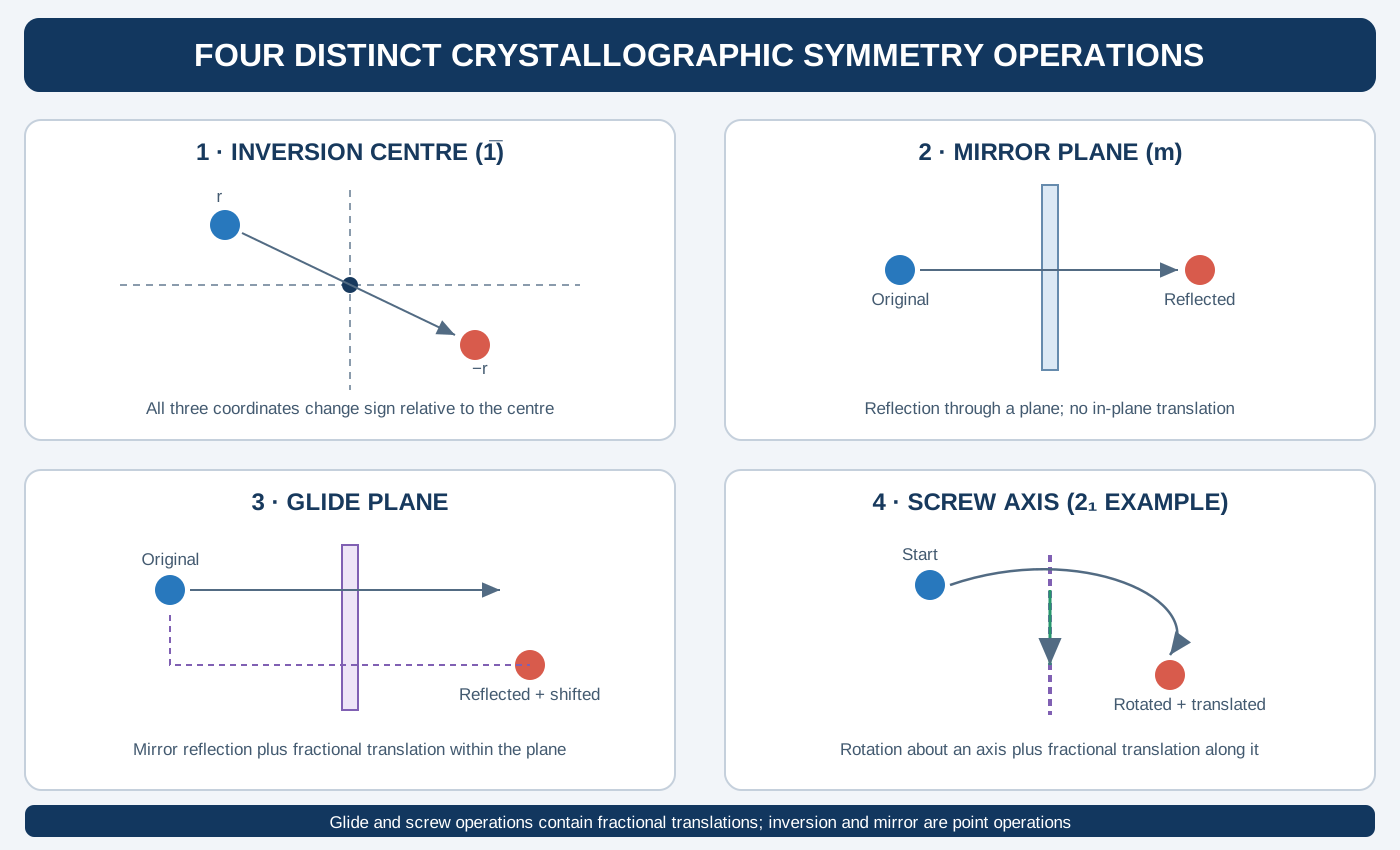
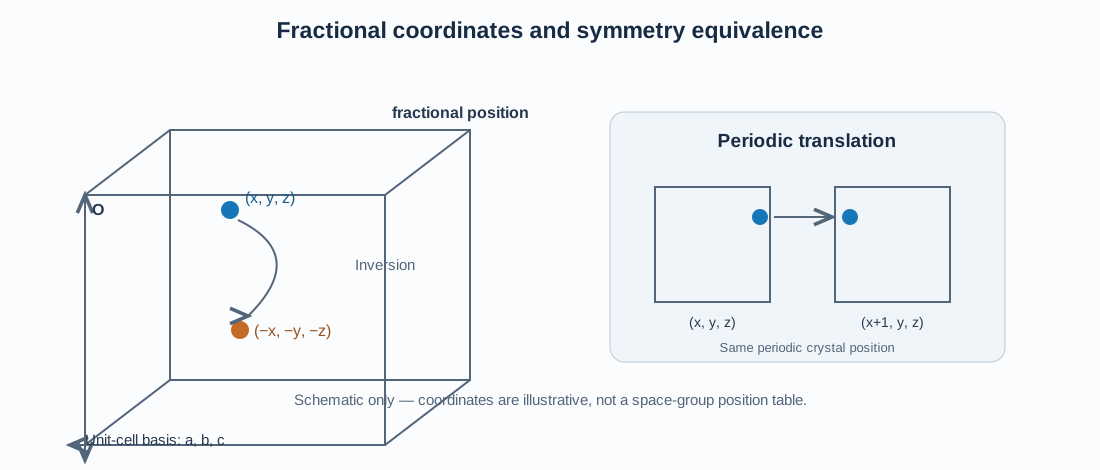
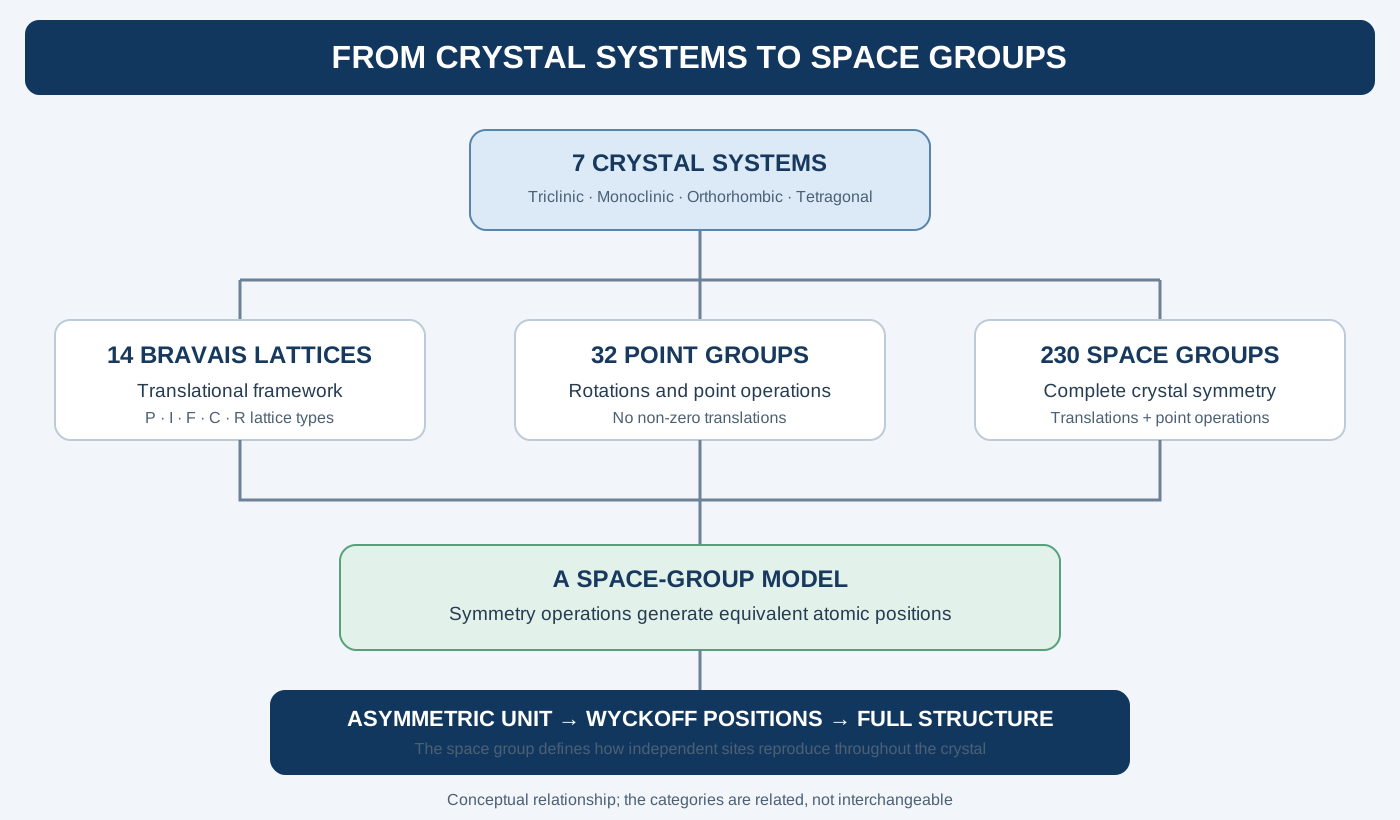
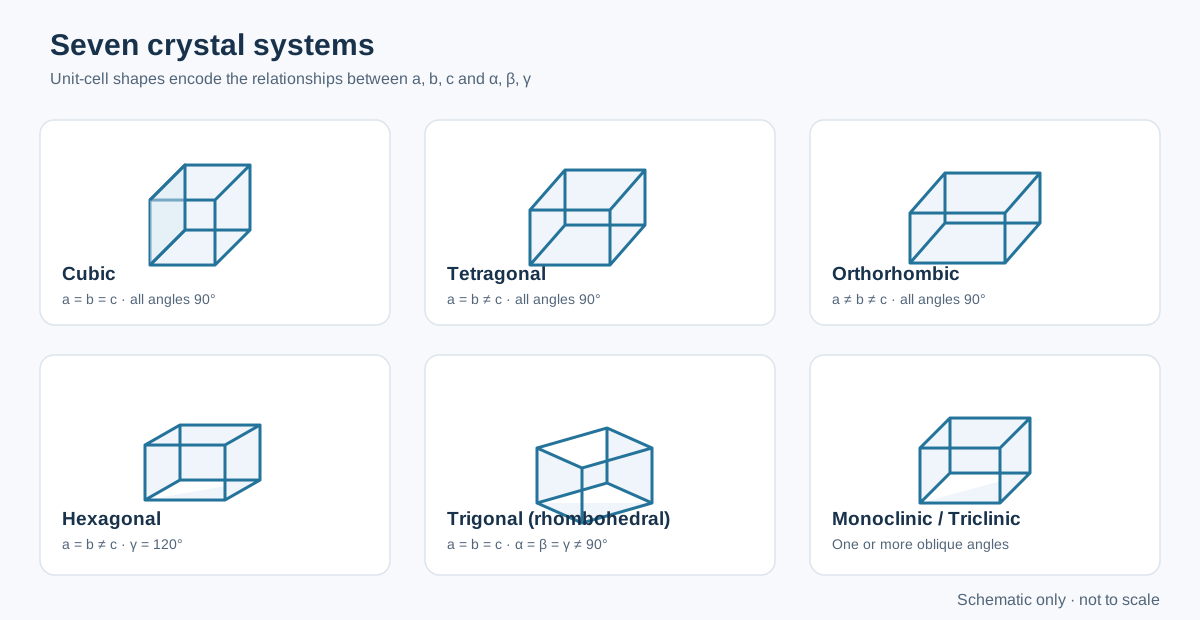
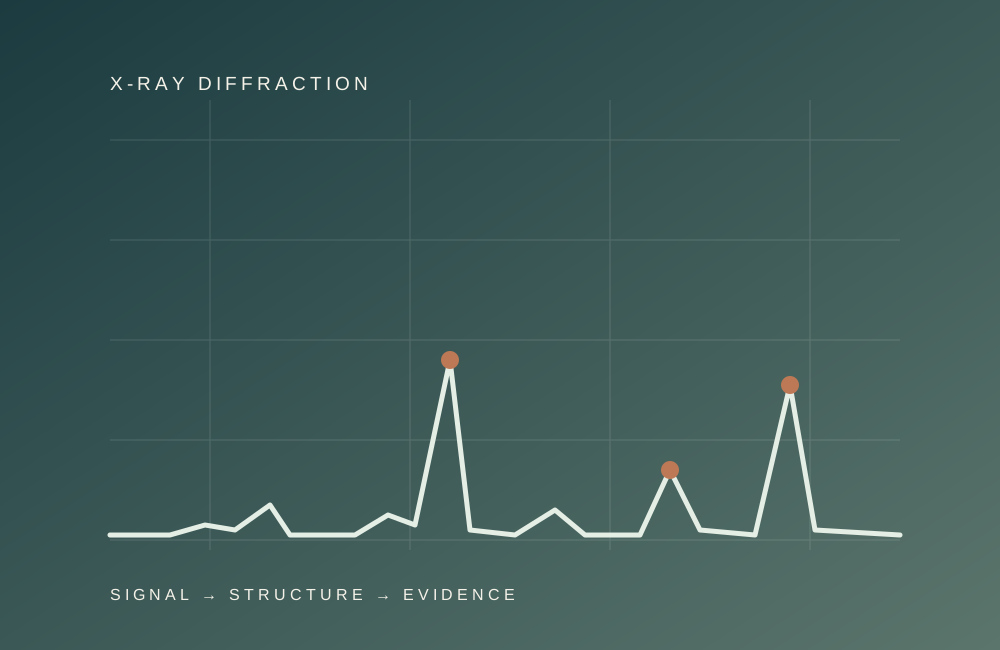
Crystal systems, lattice geometry, symmetry, Miller indices, reciprocal space, structure factors, and diffraction analysis.
Explore crystallography ↗Solid-state reaction, sol–gel, wet-chemical, hydrothermal, combustion, mechanochemical, and ceramic-processing routes.
Explore synthesis methods ↗Point defects, oxygen vacancies, nonstoichiometry, charge neutrality, defect equilibria, and chemical expansion.
Explore defect chemistry ↗Thermodynamic potentials, chemical potential, activity, equilibrium, phase stability, and temperature-dependent processes.
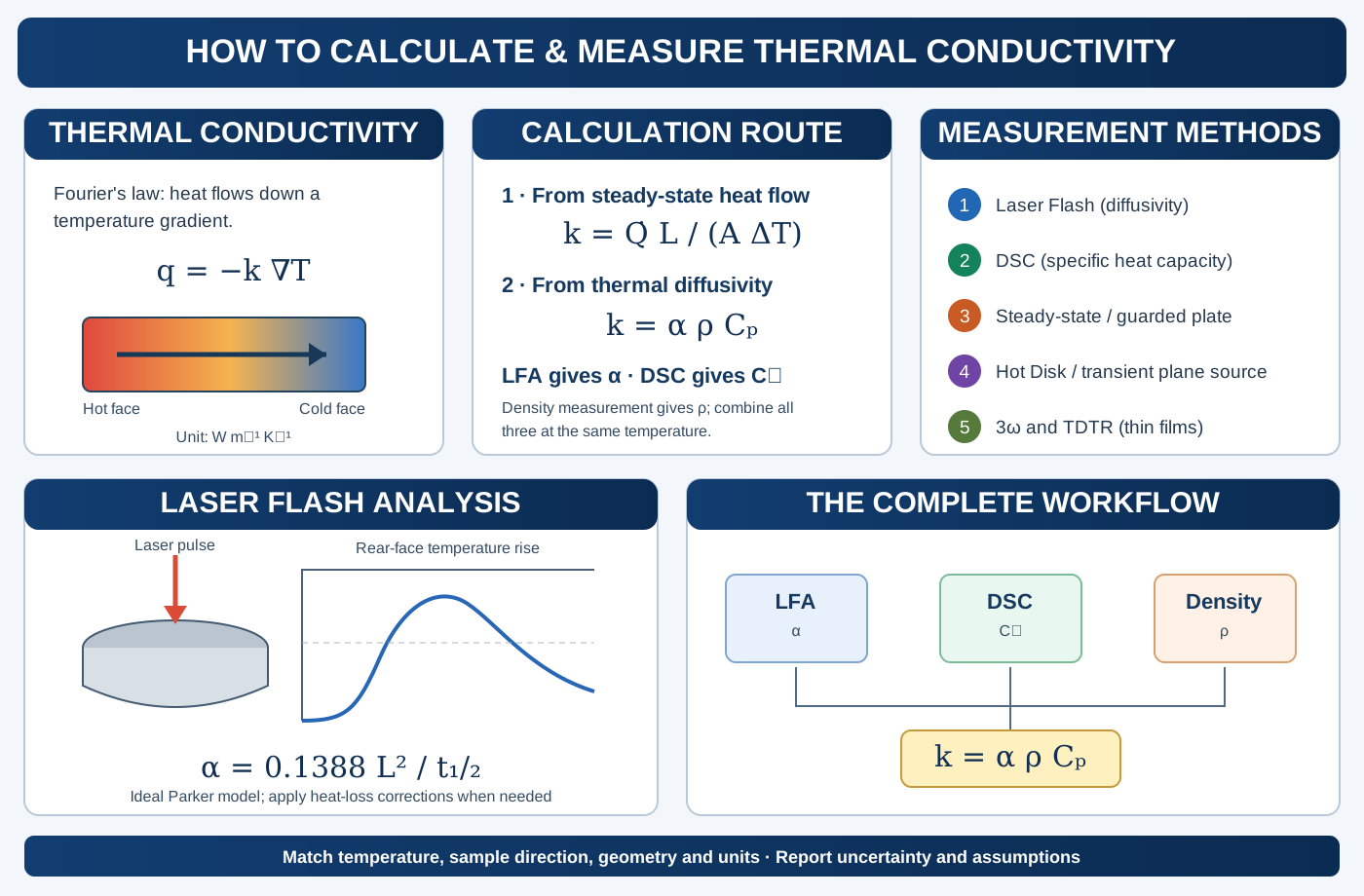
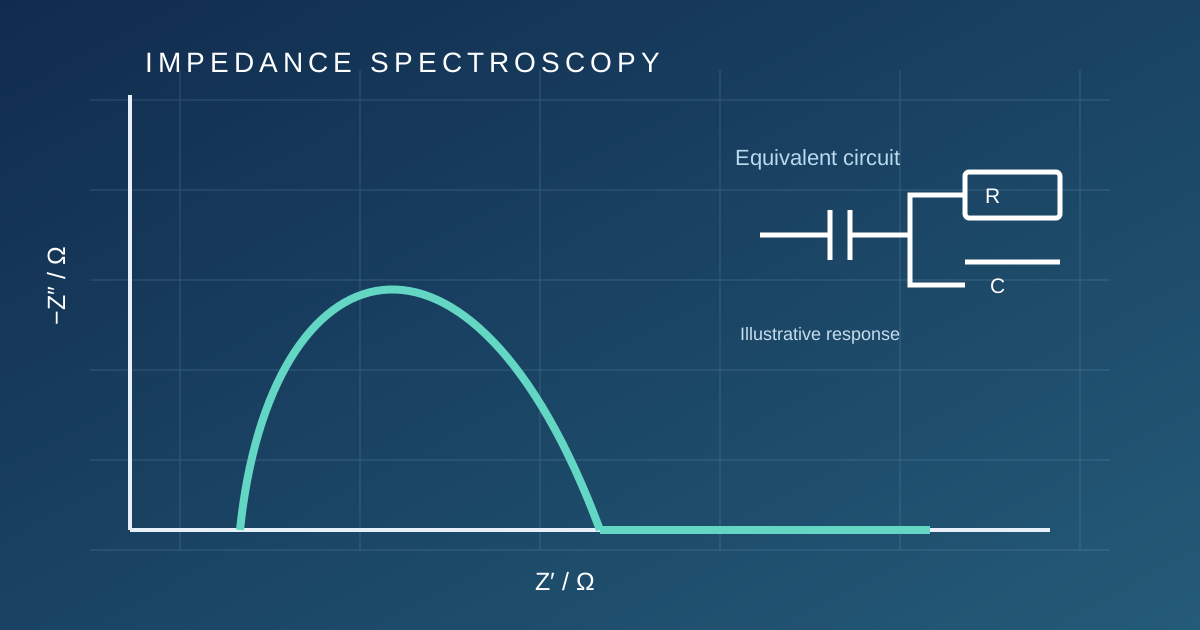
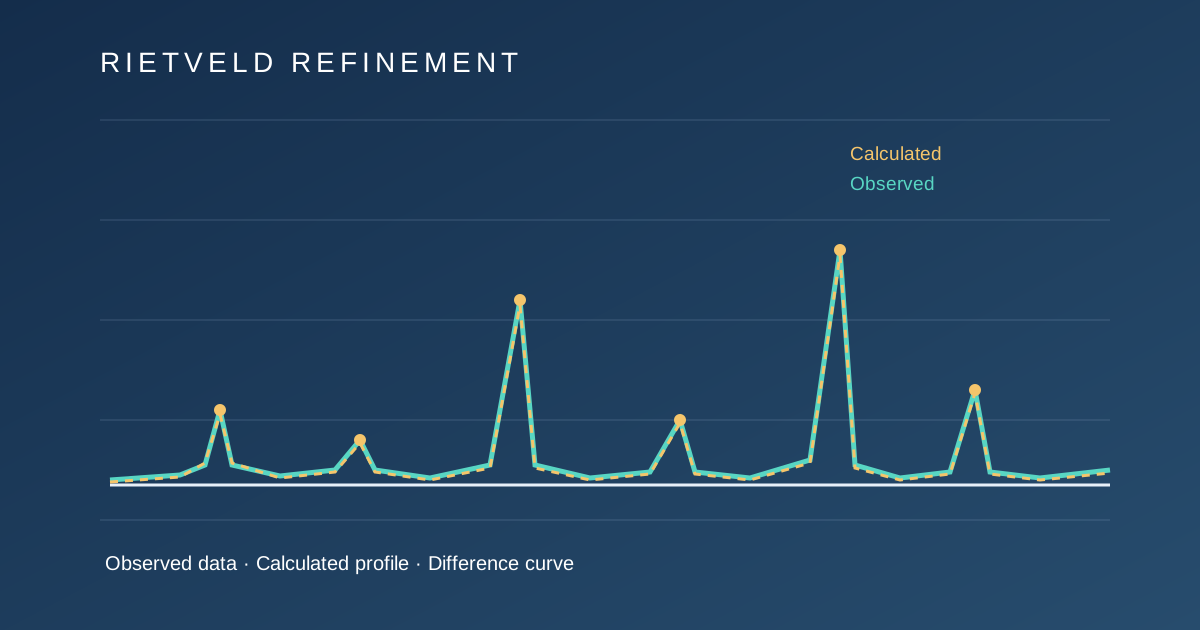
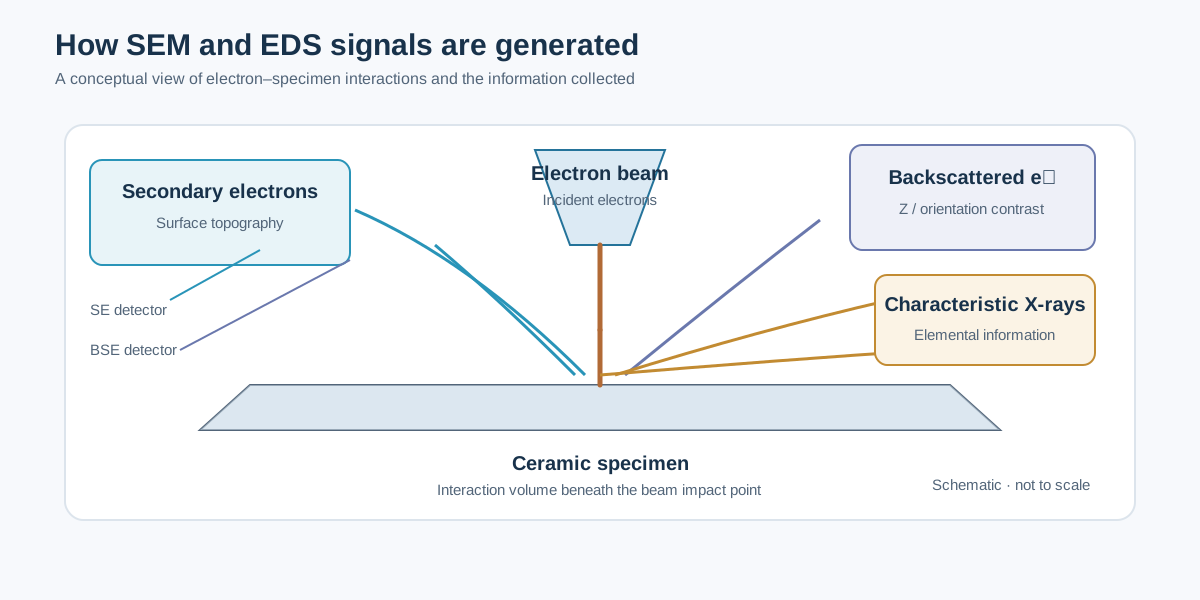
Explore thermodynamics ↗XRD, SEM–EDS, impedance spectroscopy, electrical measurements, thermal properties, and quantitative data interpretation.
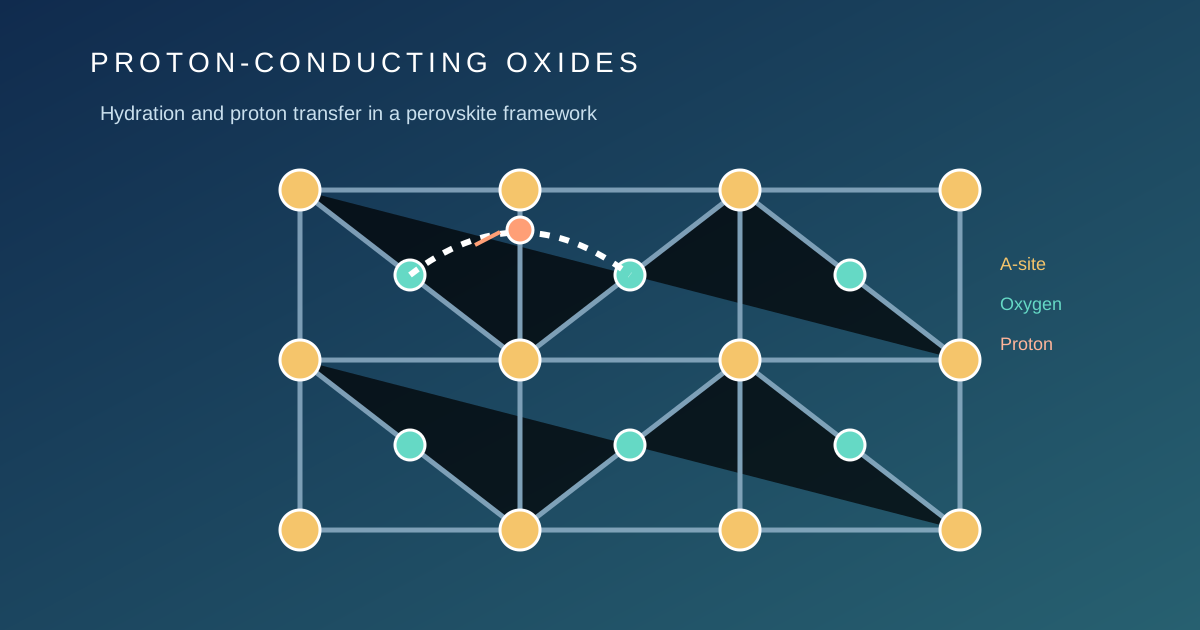
Explore experimental methods ↗Proton and oxide-ion transport, mixed conduction, electrochemical cells, hydrogen separation, and fuel-cell testing.
## Latest articles
Browse the newest articles below. Use the category filters to narrow the library by scientific subject or experimental method.
<div class="al-kicker">FURTHER READING</div>
<h3>Build a deeper scientific foundation.</h3>
<p>A curated collection of research papers and review articles supporting the topics discussed in this library.</p>
Editorial standard. Articles distinguish established scientific principles, published findings, and illustrative calculations. Numerical examples are presented with their assumptions and units; experimental claims should be interpreted alongside the cited methods and references.